October to March is the main season across most of India, with comfortable days and cool nights in the north. December and January bring heavy morning fog to Delhi and Agra. April to June is very hot, and the monsoon runs roughly June to September.
Last verified:
The facts
| Best overall | October, November, February and March |
|---|---|
| Coolest | December and January — pleasant days, cold mornings |
| Fog risk | Delhi and Agra, December to mid-January, until around 09:00 |
| Hottest | April to June, frequently above 40°C in the north |
| Monsoon | Roughly June to September, varying by region |
| Kerala and the south | Different pattern — best November to March |
Plan around fog, not around heat
Most people plan an Indian trip around temperature and end up caught by visibility. Heat is predictable and manageable with early starts. Fog is neither — it arrives without warning in the north between mid-December and mid-January and it can erase the reason you travelled.
The best fortnight
Late February. The winter fog has cleared, the heat has not arrived, the peak-season prices have softened, and the light across Rajasthan is as good as it gets.
What we know from standing here
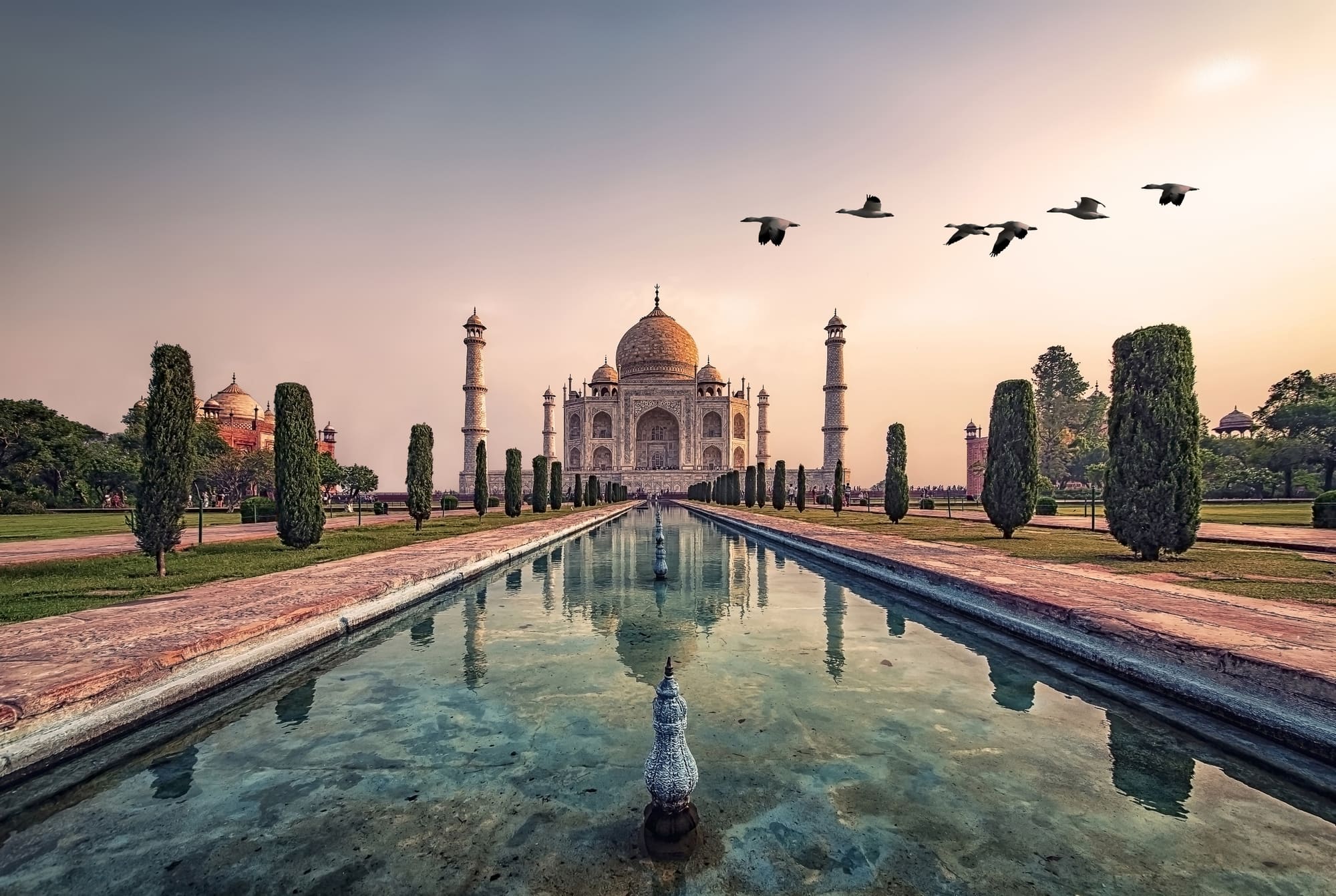
- Fog is the single most underestimated risk in Indian trip planning. A January sunrise at the Taj Mahal can be a white wall until 09:00, and there is no weather refund anywhere.
- February and March give you December's weather without December's crowds and prices — the best-value fortnight of the Indian year is usually late February.
- Wildlife parks including Ranthambore have the highest sighting rates in the punishing pre-monsoon heat of April and May, because animals concentrate at the remaining water.
Questions people ask
What is the best month to visit India?
February or October. Both give you dry, comfortable weather across the north without the December-January fog or the peak-season pricing, and the light is at its best for photography.
Is December a bad time for the Taj Mahal?
Not bad, but risky at sunrise. Morning fog in Agra through December and early January regularly hides the monument until around 09:00. If you travel then, build in a spare morning.
Should I avoid the monsoon?
For Rajasthan and the Golden Triangle, largely yes — the heat and humidity are draining. For Kerala and the Western Ghats the monsoon is genuinely beautiful, and prices drop steeply.
How hot does it really get in May?
Delhi, Agra and Jaipur regularly exceed 42°C, and sightseeing between 11:00 and 16:00 becomes unwise rather than merely uncomfortable. Trips are still possible, planned around dawn and dusk.
When is Holi and Diwali?
Both move with the Hindu calendar — Holi falls in March, Diwali in October or November; the exact dates shift each year with the calendar. Both are extraordinary to witness and both close businesses and jam transport, so plan around them deliberately.
Is the south a different season?
Yes. Kerala, Tamil Nadu and Goa follow their own pattern, broadly November to March, with a second monsoon on the southeast coast in October and November.